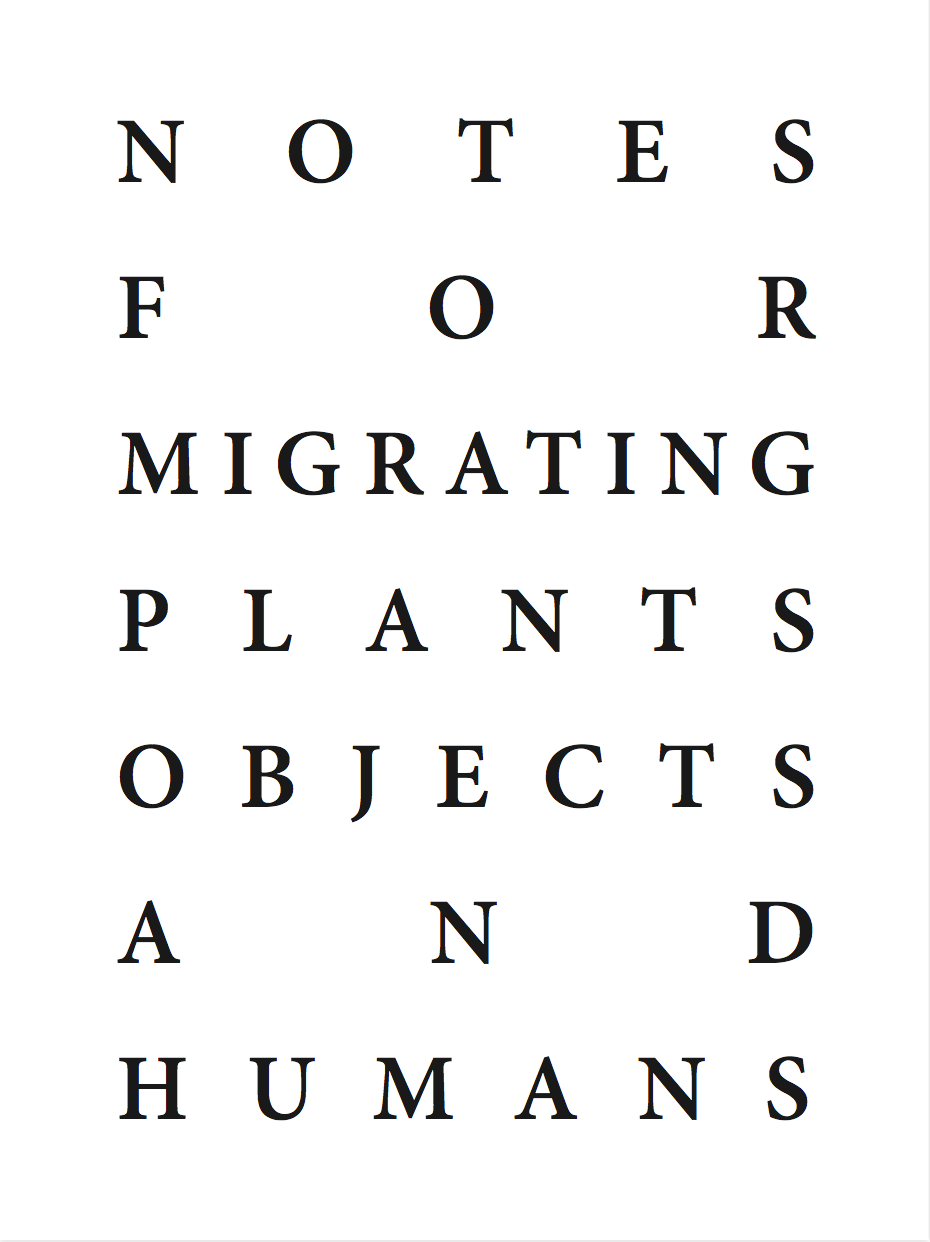
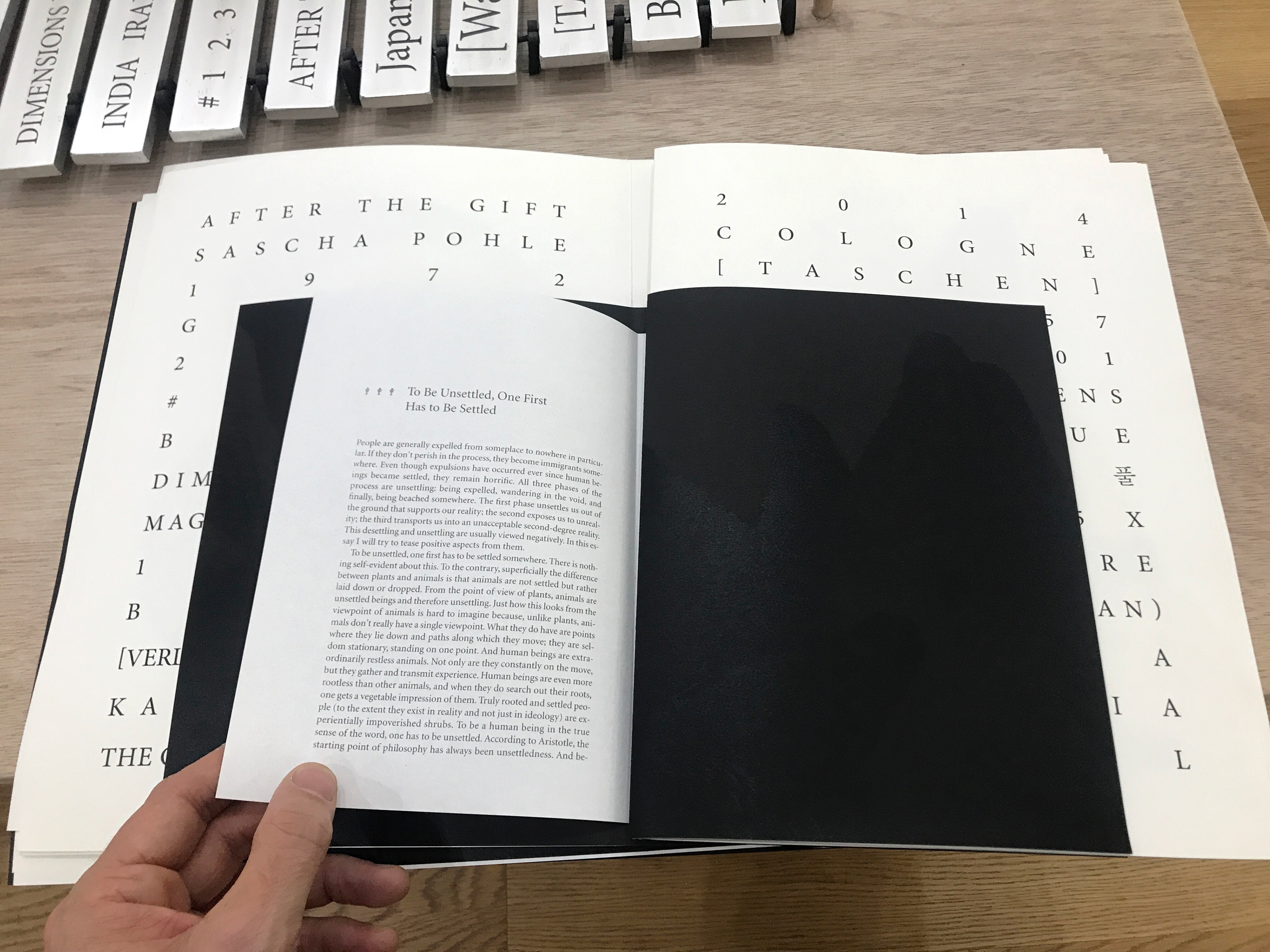
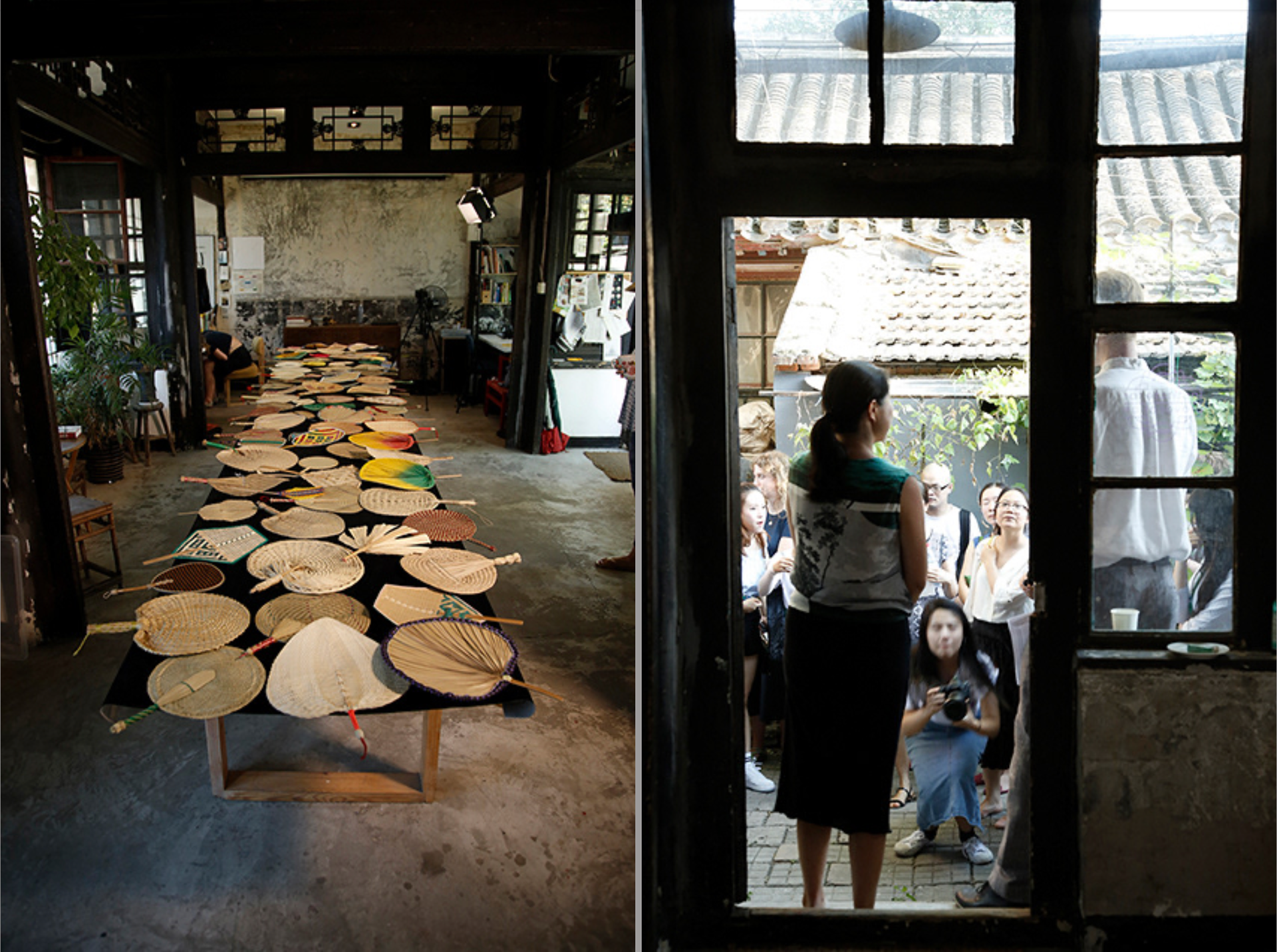
After The Gift began during a 2016 residency in Beijing. Inspired by gifts as a technology of cultural transfer, it explores relationships between humans, objects, and plants shaped by exchange. The exhibition Given Time included bamboo crafts, fans, video, and photographs, alongside a performance gifting fans to viewers—linking wind, plants, and circulation. Referencing Karl Blossfeldt’s plant studies, Pohle collaborated with Chinese artisans to produce baskets woven after these images. The project further expands into an instrument—a xylophone titled Labelphone—and a notation book Notes on Migrating, Plants, Objects and Humans, tracing genealogies and interconnections between plants, humans, and objects. Presented with archival details, these works suggest that cultural heritage is not fixed but continuously reshaped across time and place. Against a backdrop of constant migration, species that take root as if native challenge notions of nationality and belonging. They prompt reflection on how the unintentional displacement of origin and genealogy—through movement and the adoption of transformed cultural forms—continues to shape the future.
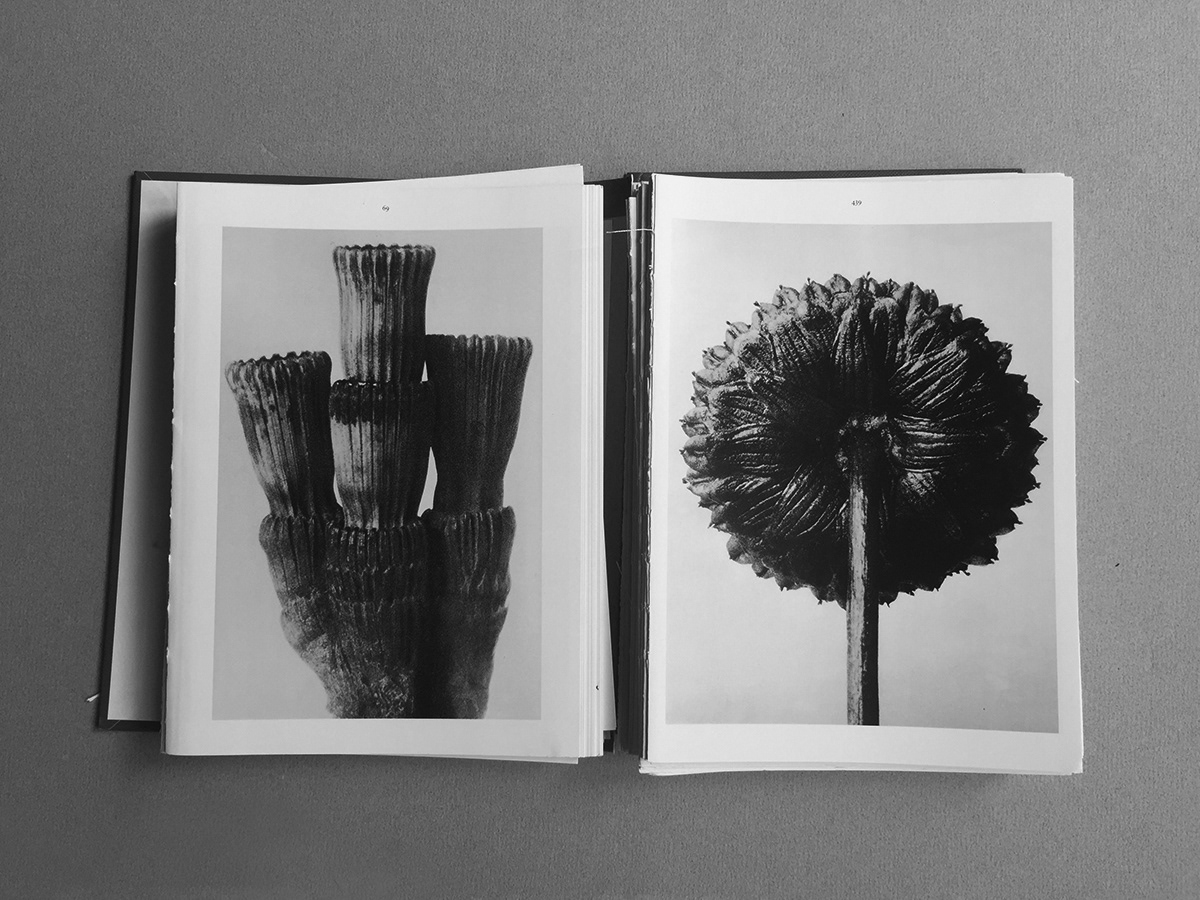
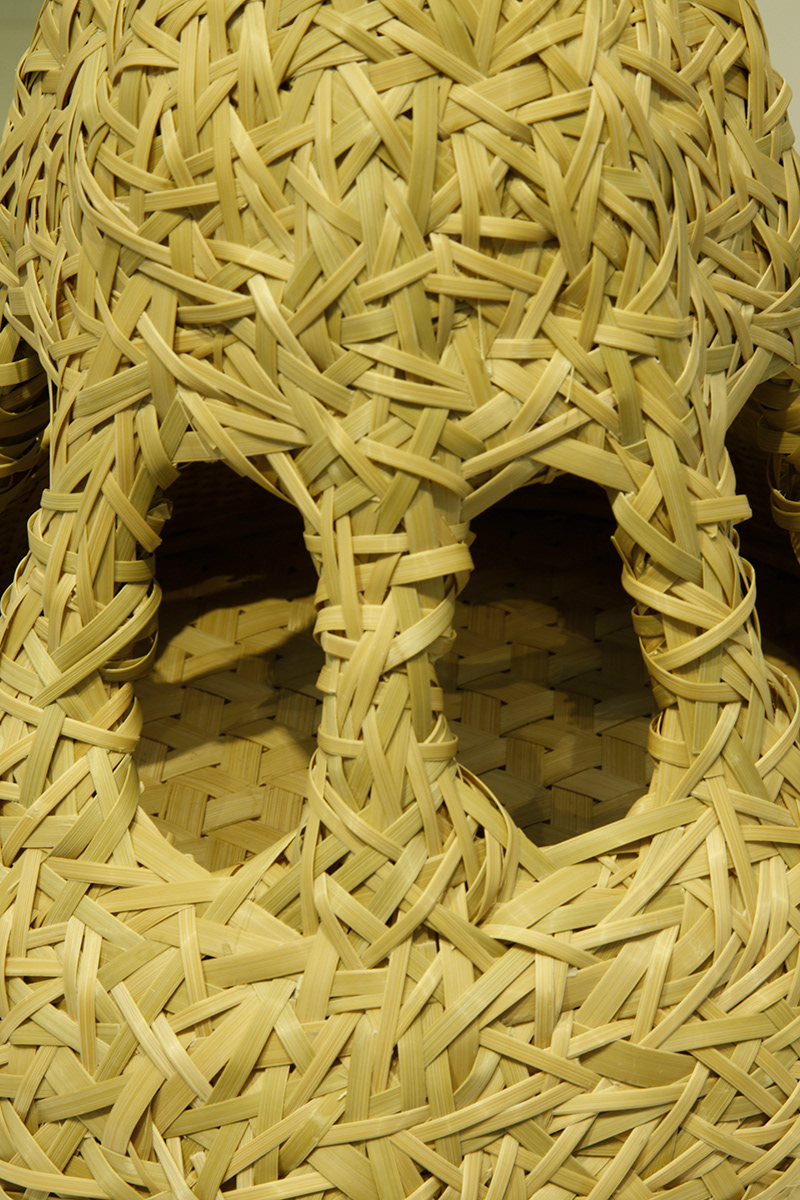
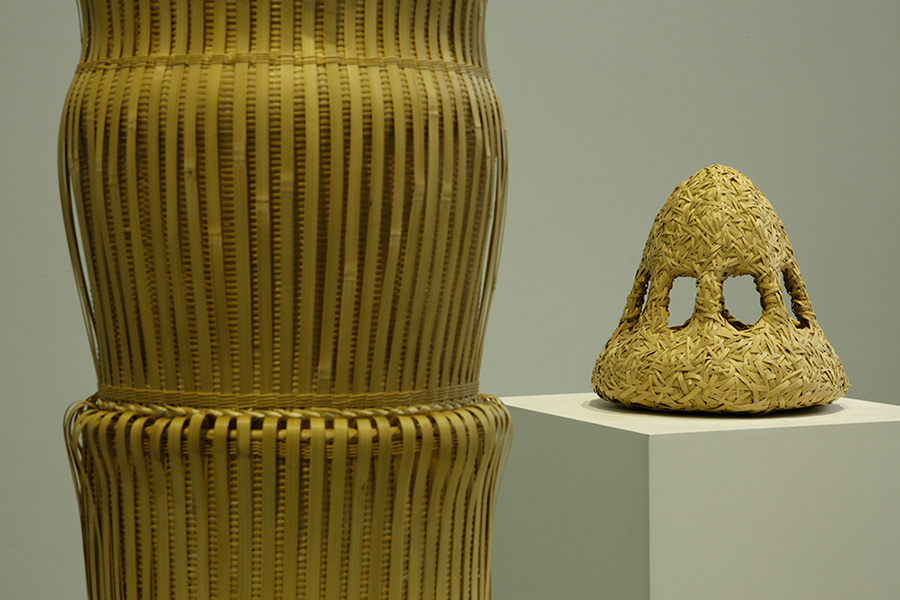
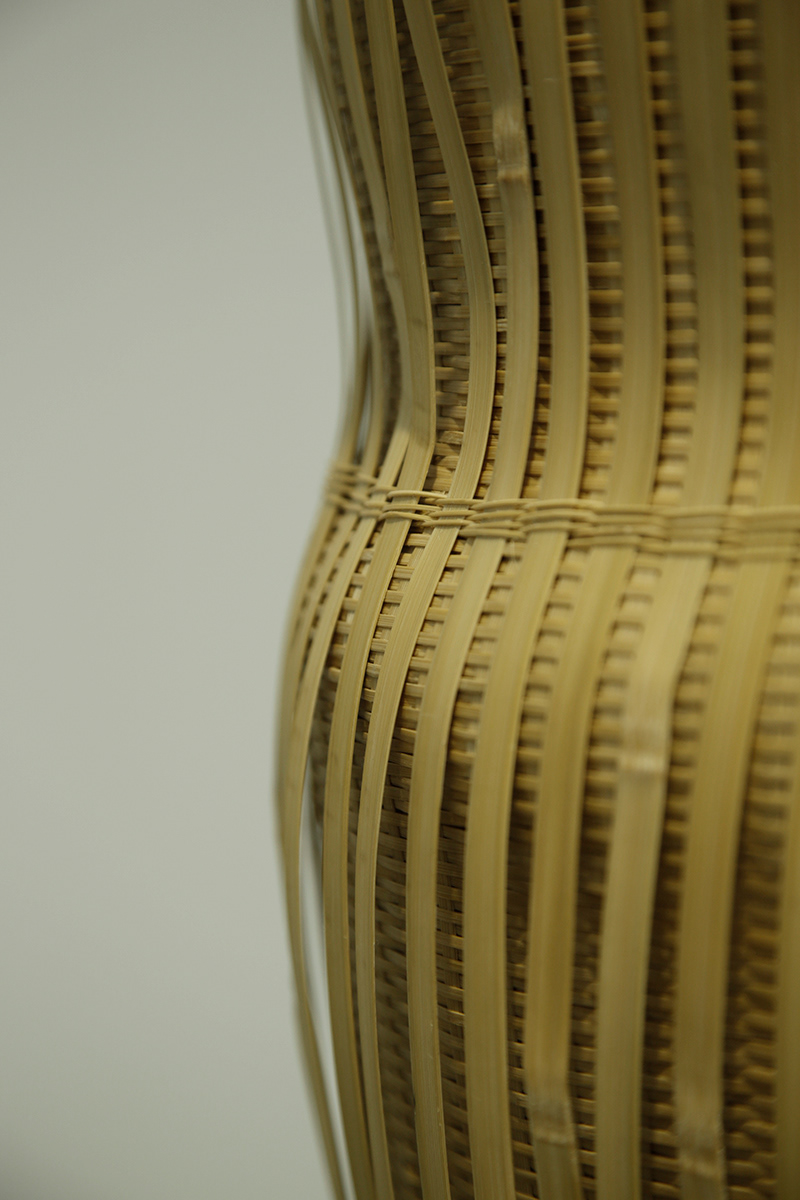
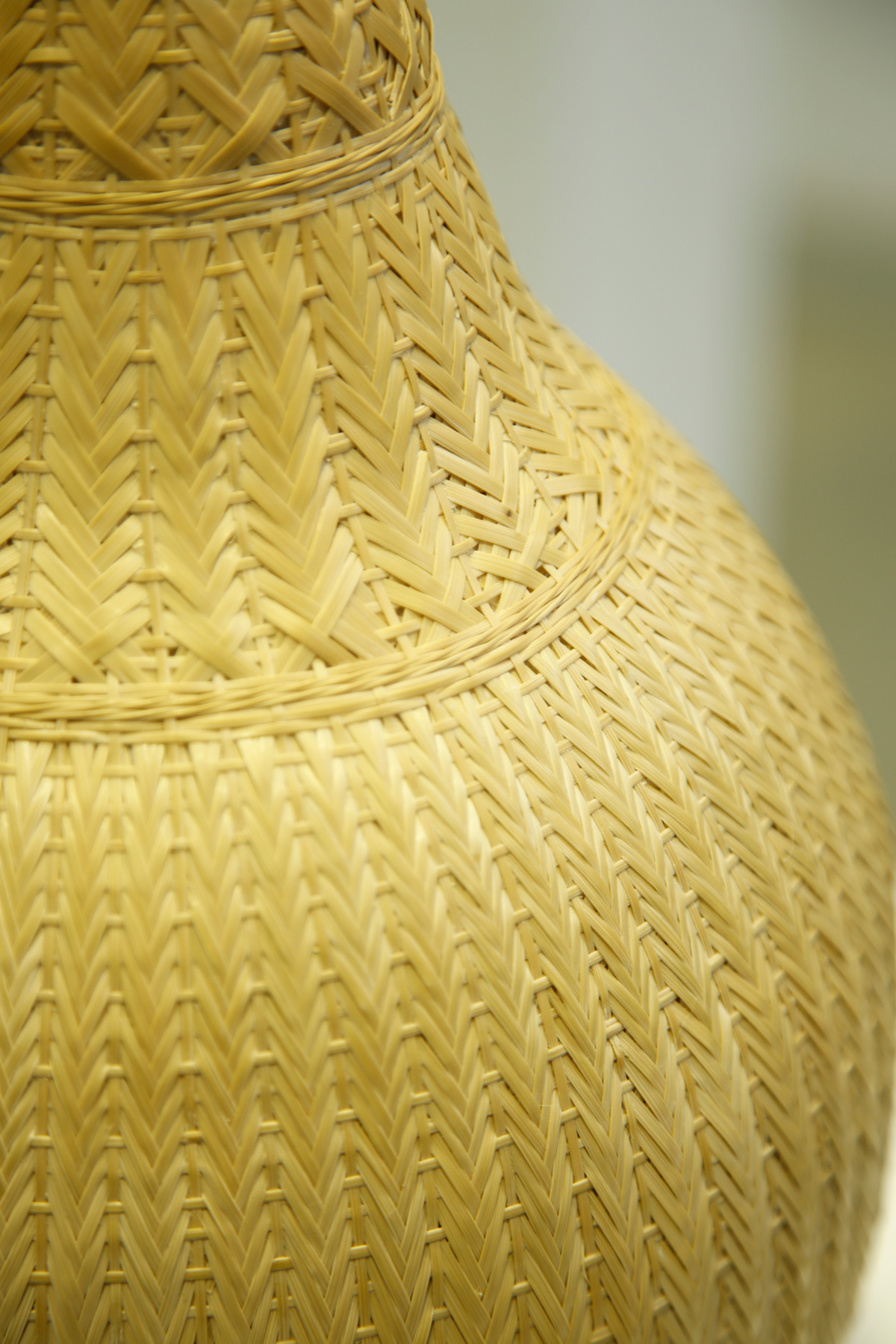
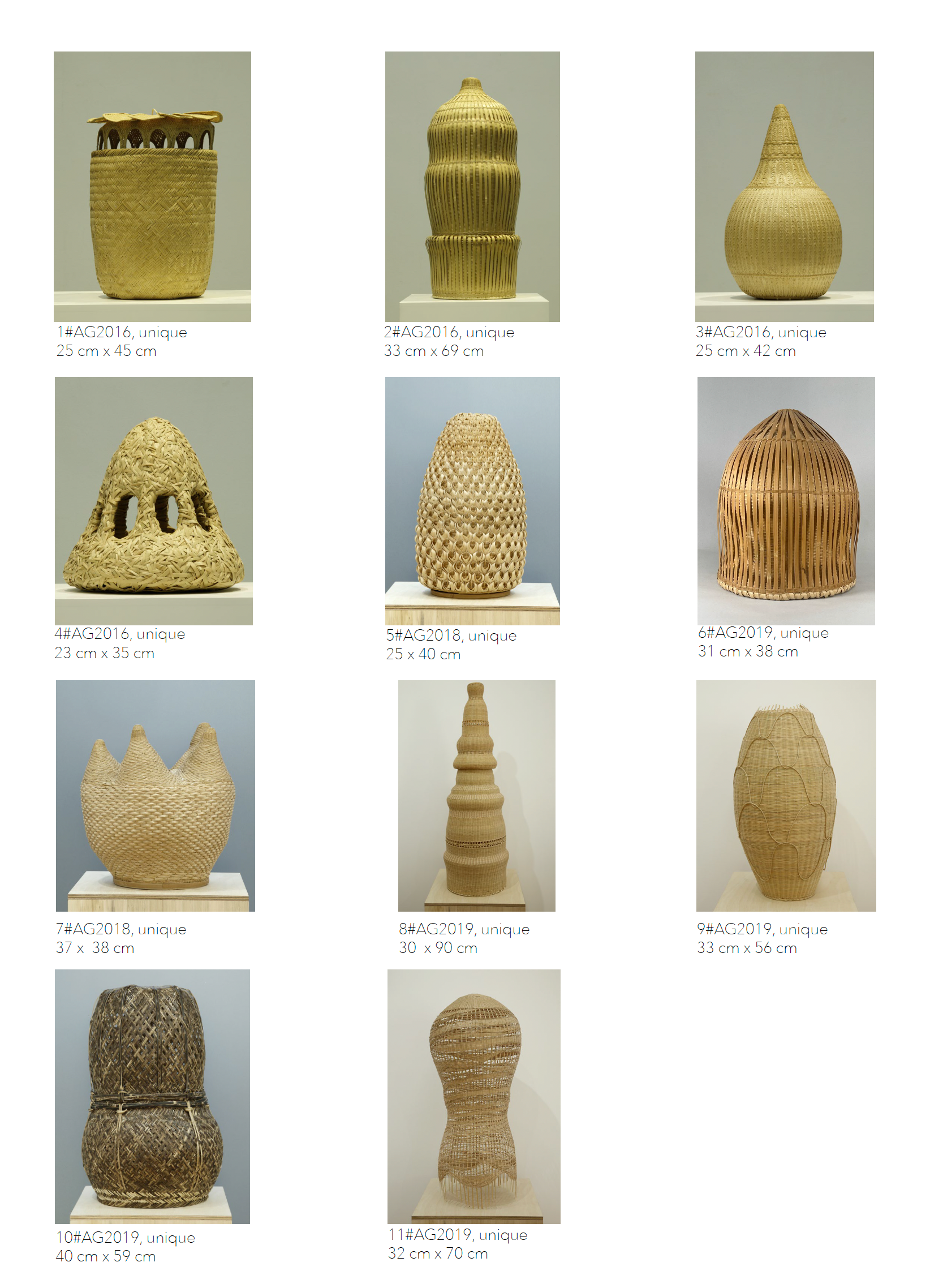
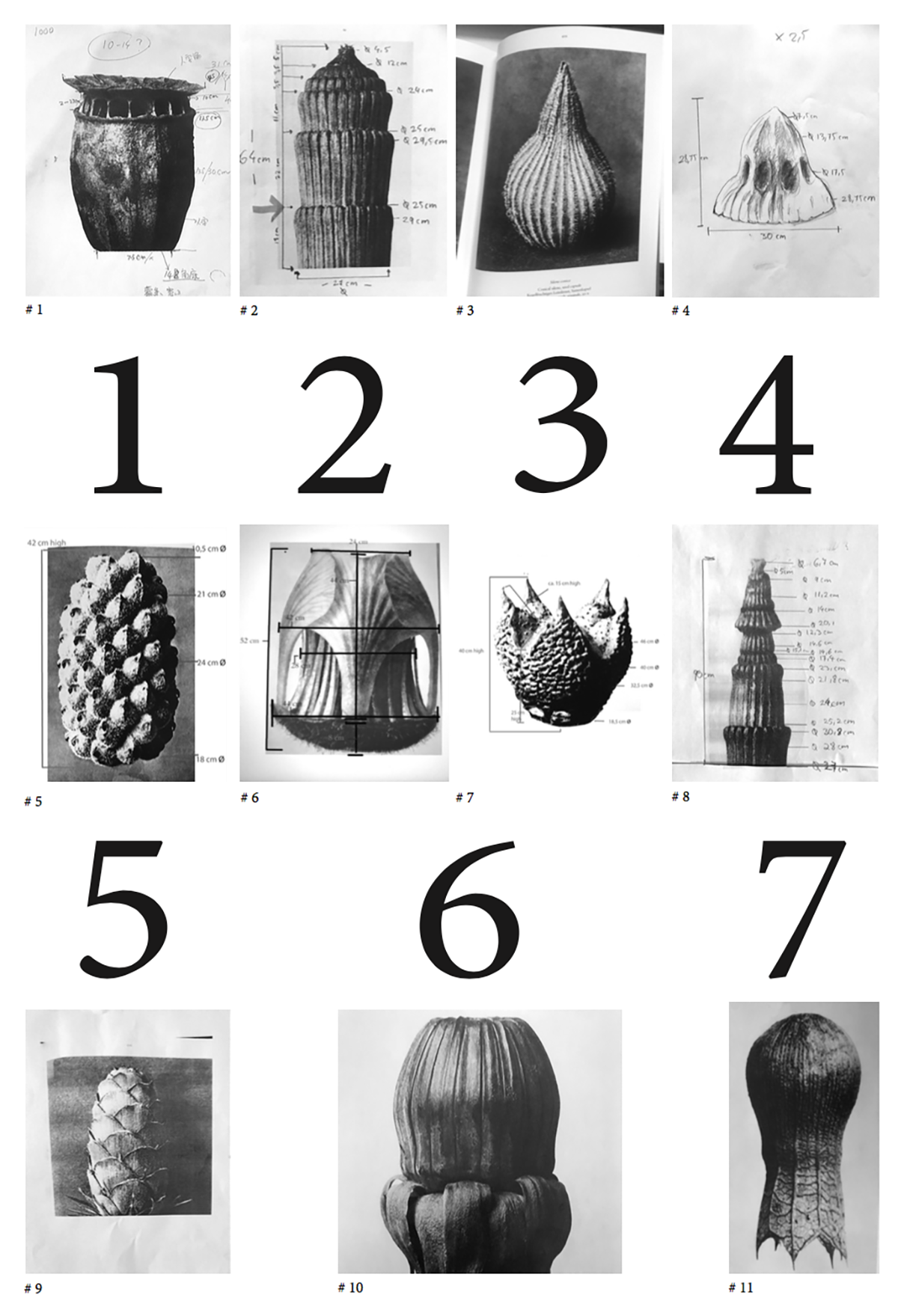
A group of bamboo objects, displayed on wooden pedestals reminiscent of a museum display, are all woven after Karl Blossfeldt’s plant photographs published in Urformen der Kunst (Art Forms in Nature, 1928) and Wundergarten der Natur (Magic Garden of Nature, 1932). Here, the baskets result from translating plant shapes and surface structures into Chinese bamboo weaving techniques. These crafted, empty containers—woven hybrid baskets—invite speculation about the fertilizing processes of cultural and technical transfer.
The baskets were crafted by Lailai (Liyun Zhuan)[#1-#7,#11] and Zhang Niegen [#8, #9],

(AFTER THE GIFT, ‘Given Time’, Black Sesame at Insititute for Provocation, Beijing), # 1 - 4, woven bamboo, dimensions variable, - Blossfeldt’s Fan, HD video 25 min, color, silent

Exhibition views ‘Given Time’, Black Sesame at Insititute for Provocation, Beijing), # 1 - 4, woven bamboo, dimensions variable, - Blossfeldt’s Fan, HD video 25 min, color, silent,
(supported by the Mondrian Fonds, Embassy of the Kingdom of the Netherlands, Beijing, Quinshan city)
Exhibition view: 'Form/less', Whistle, 2019, Seoul, KR), baskets, # 5 - 11, woven bamboo, dimensions variable, labephone, metal bars, letter decals, vibraphone mallets, various materials, artist book, b&w, 31,5 cm x 23,5 cm
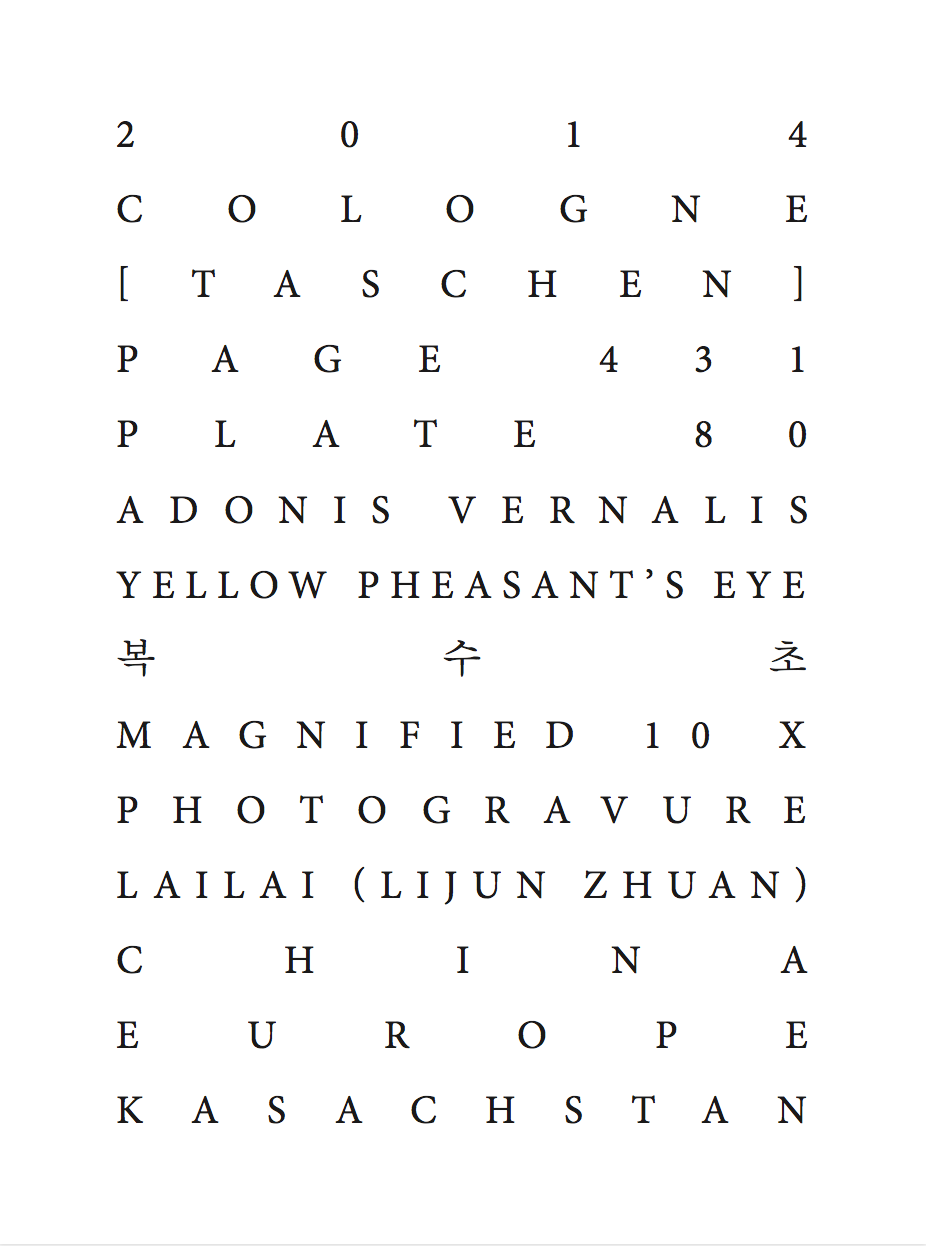
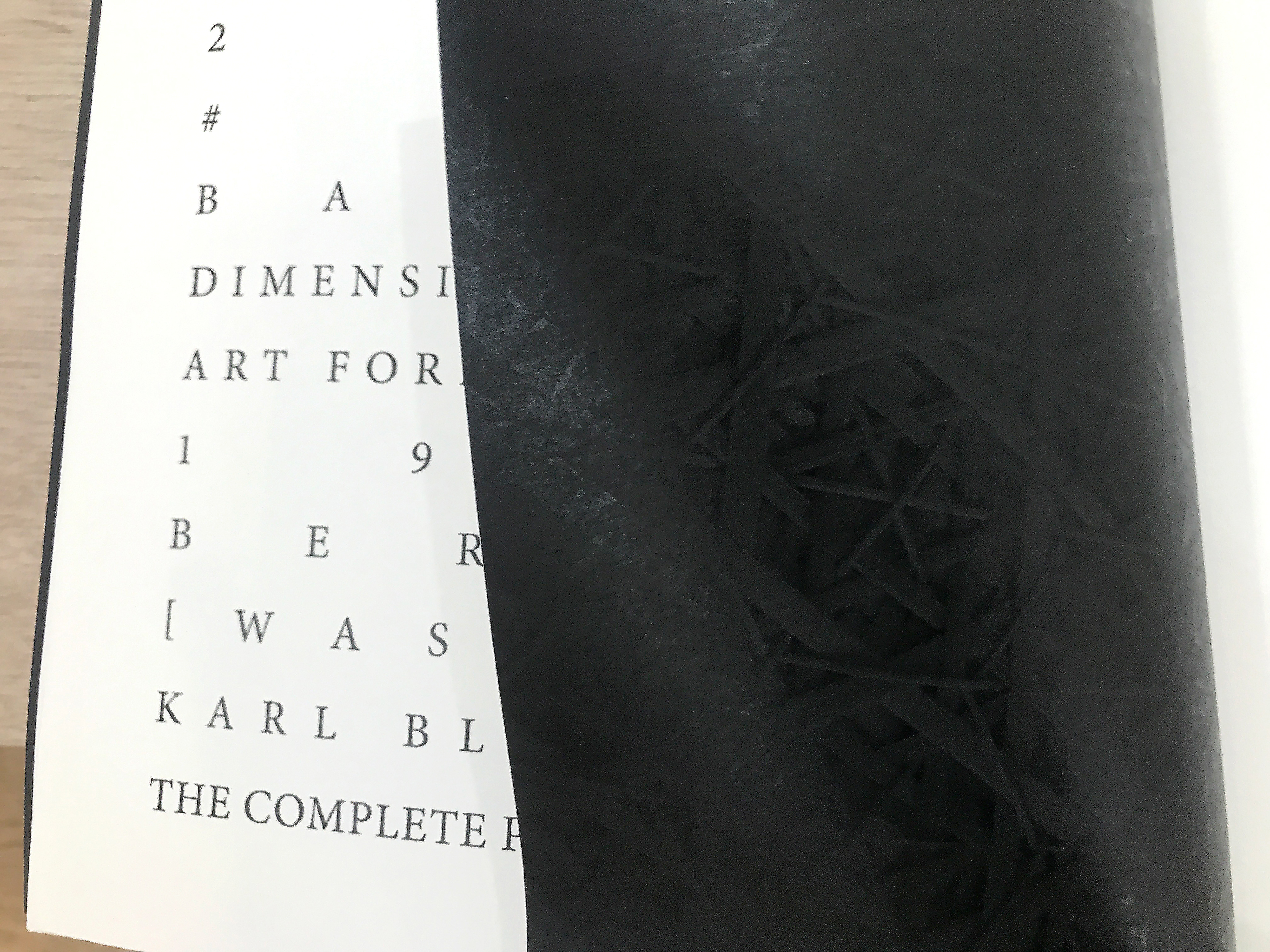
The captions in After the Gift form a kind of genealogy list that includes image sources, years and places of production, exhibition venues for the bamboo sculptures, book sources, authors, and bamboo weavers. They also name the plants and indicate the various countries where these species may have originated and migrated to—a footnote on multiple forms of belonging across national borders, shaped by climatic, cultural, or political change.
Art Forms in Nature, 1928, Berlin, [ Wasmuth ], Magic Garden of Nature, 1932, Berlin, [Verlag für Kunstwissenschaft], Karl Blossfeldt, The Complete Published Work, 2014 Cologne, [ TASCHEN ]
# 1, Page 232, Plate 104, Photogravure, Magnified 6times, Papaver, Poppy, Seed Capsule, Afghanistan, Algeria, Argentina, Australia, Bangladesh, Bolivia, Brazil, Canada, Cambodia Colombia, Chile, Ecuador, Egypt, Eritrea, Ethiopia, Greenland, India, Irak, Iran, Japan, Kazachstan, Libya, Macao, Mauretania, Mexico, Mongolia, Morocco, Myanmar, Namibia, Nepal, New Zealand, Pakistan, Panama, Peru, Russia, Tunisia, Thailand, Taiwan, Saudi Arabia, South Africa, South Korea, Syria, Uruguay, USA, Uzbekistan, Venezuela
# 2, Page 61, Plate 1, Photogravure, Magnified 25times, Equisetum Hyemale, Dutch Rush, Australia, Brazil, Canada, China, Europe, Japan, Macao, Mexico, Russia, New Zealand, USA
# 3, Page 429, Plate 86, Photogravure, Magnified 20times, Conical Silene, Striped Corn Catchfly, Algeria, Armenia, Australia, Azerbaijan, China, Europe, Iran, Israel, Macao, Morocco, New Zealand, Russia, Turkey, Ukraine, United Kingdom, Uzbekistan
# 4, Page 77, Plate 11, Photogravure, Magnified 30times, Scabious Seed, Callistemma Brachiatum, China, Crimea, Europe, Iran, Macao, Turkey
# 5. Page 431, Plate 80, Adonis Vernalis, Yellow Pheasant's Eye, Magnified 10 x, Photogravure, Lailai (Lijun Zhuan), China, Europe, Kasachstan, Russia, Saudi Arabia, South Korea
# 6 , Page 79, Plate 12, Geum Rivale, Water Avens, Magnified 25 x, Photogravure, Lailai (Lijun Zhuan), Canada, China, Ecuador, Europe, Russia, Saudi Arabia, South Korea, USA
# 7, Page 457, Plate 101, Ruta Graveolens, Common Rue, Magnified 25 x, Photogravure, Lailai (Lijun Zhuan), Algeria, Australia, Brazil, Bolivia, China, Columbia, Ecuador, Europe, Guatemala, Iran, Krym, Mexico, Peru, South Africa, South Korea
# 8, Page 63, Plate 2, Equisetum Hyemale, Dutch Rush, Magnified 12 x, Photogravure, Zhang Niegen, Australia, Brazil, Canada, China, Europe, Japan, Mexico, Russia, New Zealand, South Korea, USA
# 9, Page 299, Plate 16, Larix Decidua, European Larch, Magnified 7 x, Photogravure, Zhang Niegen, Canada, China, Europe, Japan, Mexico, New Zealand, South Korea, USA
# 10, Page 183, Plate 75, Taraxacum Officinale, Dandelion, Magnified 8 x, Photogravure, Lailai (Lijun Zhuan), Argentinia, Armenia, Bolivia, Brazil, Buthan, Chile, China, Colombia, Costa Rica, Ecuador, Georgia, Honduras, Japan, Jordan, Kasakhstan, Kenya, Madagasgar, Mexico, Namibia, Peru, Russia, South Africa, South Korea, Taiwan, Takjikistan, Turkey, Uruguay, Vietnam
# 11, Page 159, Plate 59, Hyoscyamus Niger, Black Henbane, Magnified 10 x, Photogravure, Lailai (Lijun Zhuan), Azerbaijan, Canada, China Europe, India, Marocco, Pakistan, Russia, Turkey, South Korea, USA


AFTER THE GIFT - BLOSSFELDT'S FAN
2016 /2021, HD Video, 25 min, 16:9, Color, Silent, Gift Giving Performance, Untitled, video 2.55 min, b&w, English with English captions
This slow-motion video creates a visual and mimetic play between Karl Blossfeldt's photographs and collected Chinese woven hand fans mainly bought on Taobao. In each sequence, a different hand fan flips a page of an enlarged Blossfeldt photo book through induced airflow, allowing viewers to follow the overlapping shapes, patterns, and colors. The constant flow of repetitive movements induces a hypnotic state.

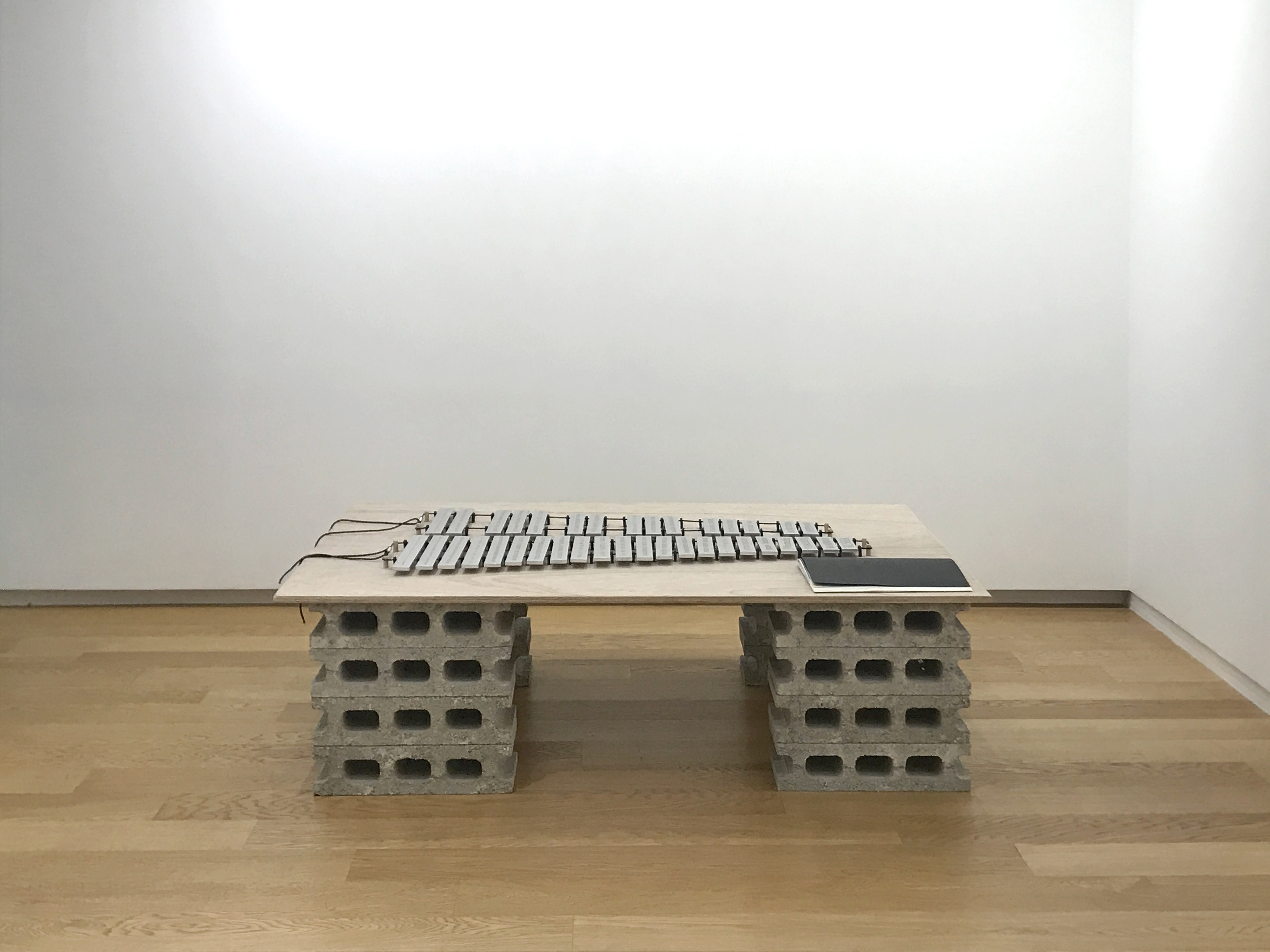

labephone, metal bars, letter decals, vibraphone mallets, various materials, artist book, b&w, 31,5 cm x 23,5 cm



UNTITLED - GIFT GIVING PERFORMANCE
2016/2021, video 2.55 min, b&w, English with English captions
Excerpt of Lewis Hyde’s The Gift: Imagination and the Erotic Life of Property,
New York, [ Vintage Books ], 1983, CHAPTER ONE, The Motion, Page 3 - 4
Narrator: Elliot Woods
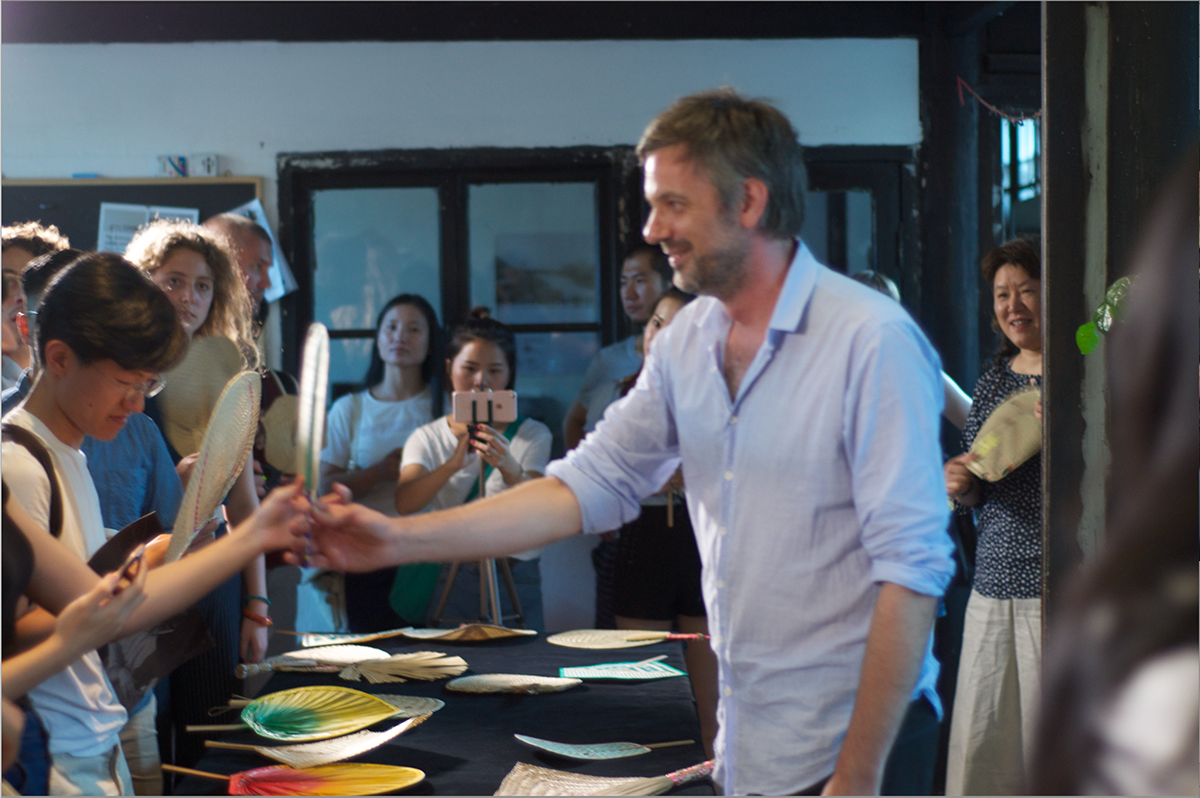
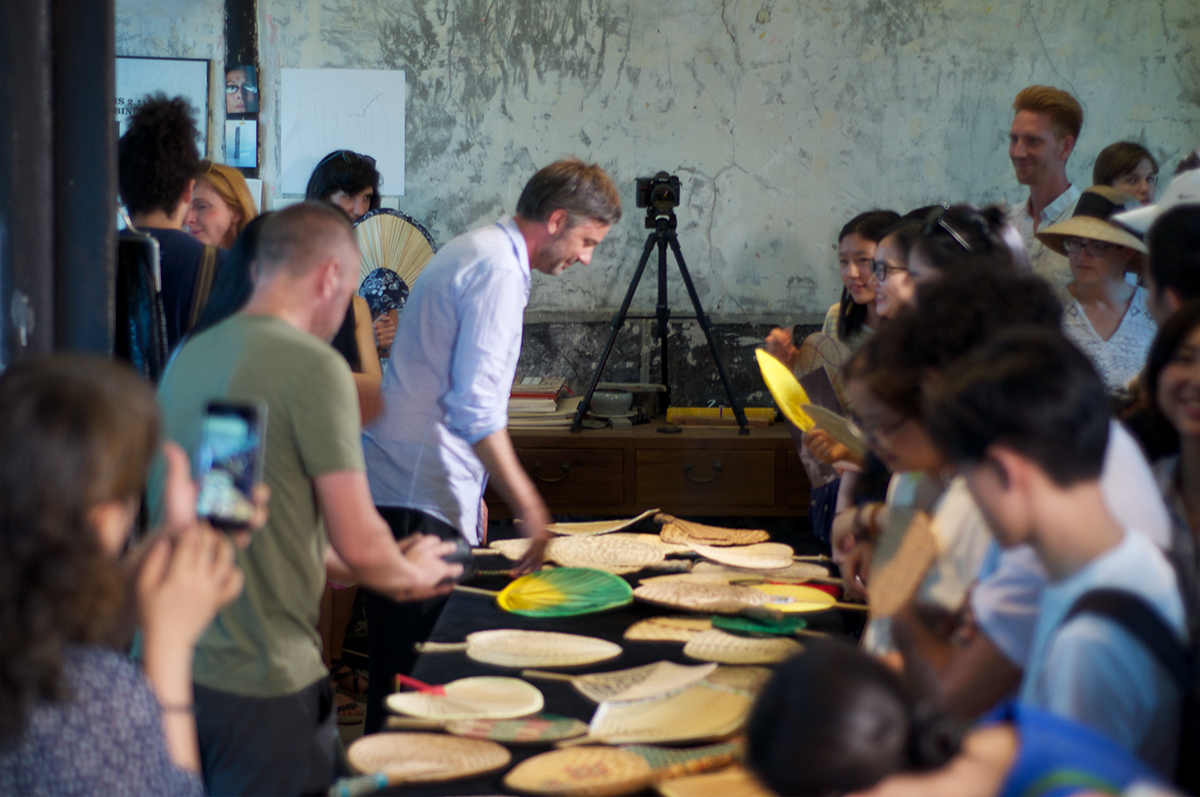
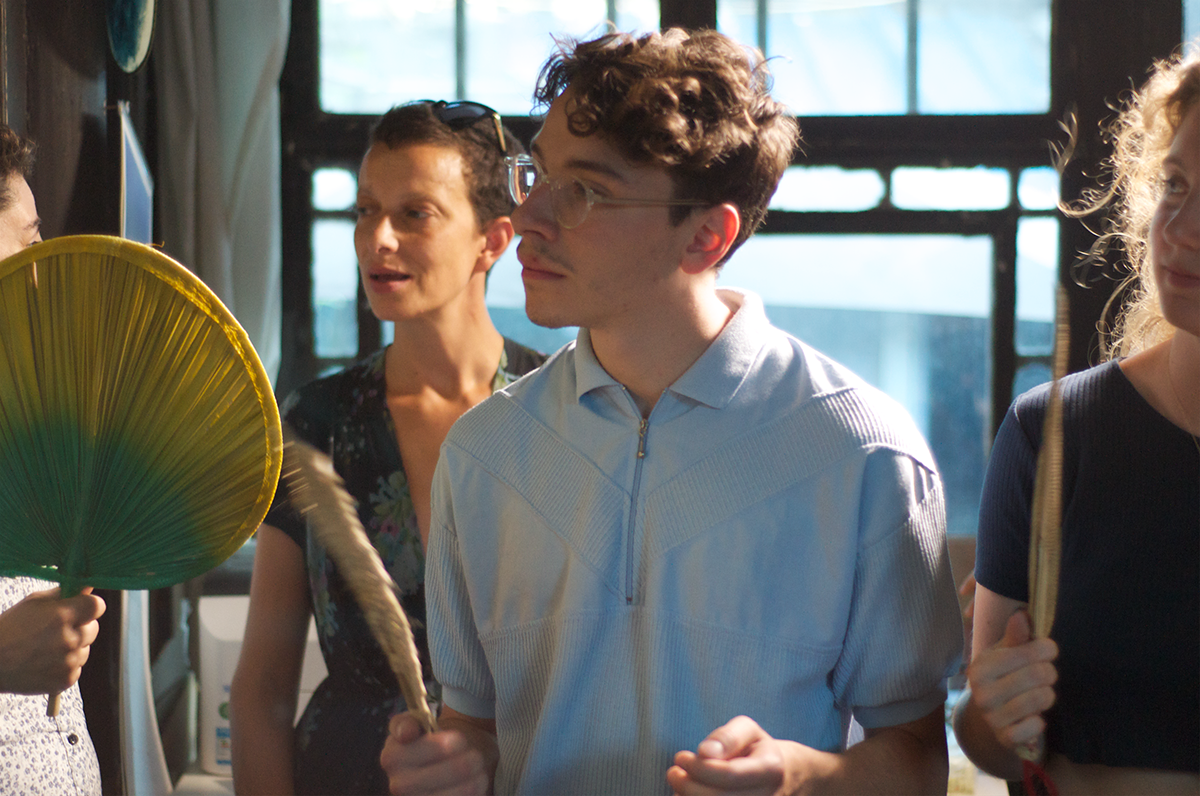
The video component documents a gift performance central to After The Gift. Before entering the exhibition, visitors heard a reading from Lewis Hyde’s The Gift: Imagination and the Erotic Life of Property, recounting the story behind the so-called “Indian giver”—where a pipe of peace intended to circulate as a gift was instead misappropriated as a museum artifact. After this introduction, guests were invited to receive one of over 80 hand fans from Pohle’s collection, each becoming a co-owned gift and an active part of the exhibition. Visitors held the fans or fanned cold air on a hot summer’s day, enacting the circulation and relational dynamics central to the project.
Karl Blossfeldt, who taught at the Vereinigte Staatsschulen für Freie und Angewandte Kunst (United State’s Schools for Fine and Applied Art in Berlin), used magnified photographs of seeds, flowers, and leaves in his classes so that students could learn from the inherent architecture and design of surrounding flora and fauna. This pedagogical use of Blossfeldt’s images as design models resumes in After the Gift.